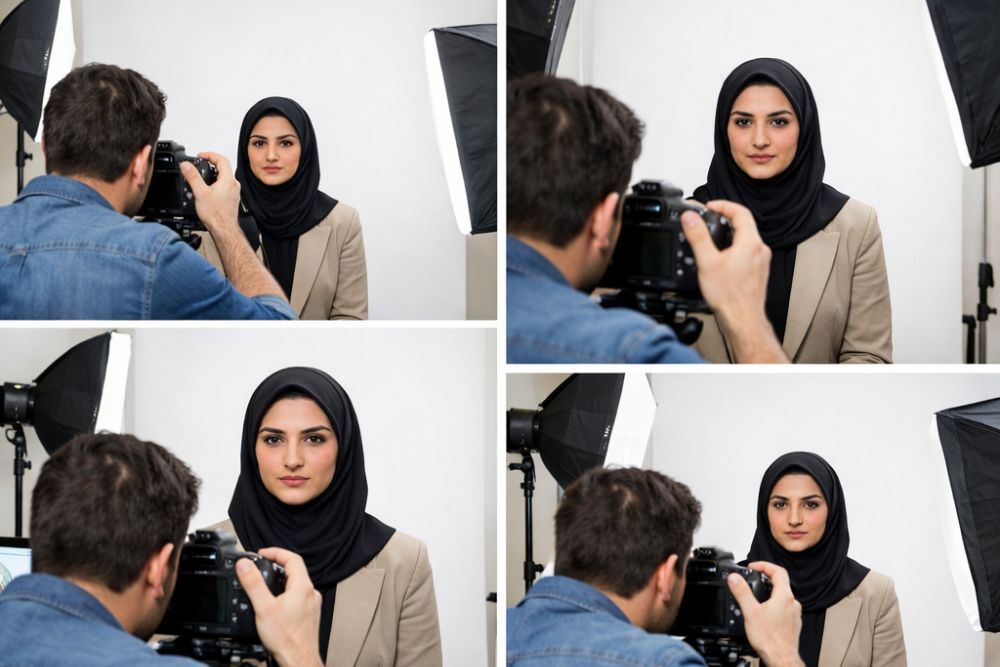

Scroll through any online marketplace for five minutes, and you’ll notice something: the listings that get clicks almost always have one thing in common: good photos. Not necessarily expensive-looking photos, just clear, well-lit, consistent ones. The products in bad lighting with mismatched backgrounds? They get scrolled past, even if the item itself is great.
If you’re selling online, whether that’s Amazon, Etsy, Shopify, or your own website, your photos are doing a job your customer can’t do themselves: letting them see and trust what they’re buying before it shows up at their door.
Why Product Photos Matter More Than People Think
When someone shops in person, they can pick an item up, turn it over, check the stitching, feel the weight of it. Online, none of that exists. Your photo is the entire experience. It has to answer the questions a customer would normally answer with their hands: what does this actually look like, what size is it relative to other things, does it look well made?
This is part of why two nearly identical products can perform completely differently online. The one with clean, accurate, well-lit photos earns trust in about two seconds. The one with a blurry phone photo on a cluttered kitchen counter makes the shopper hesitate, and hesitation usually means a lost sale.
What Makes a Product Photo Actually Work
There’s no single “correct” style for product photography, since it depends on your brand and where the photos will be used, but a few things tend to separate photos that convert from photos that don’t.
Even, consistent lighting. Shadows in the wrong place or a yellow-tinted room light can make even a nice product look cheap or off. Studio lighting removes the guesswork.
A clean, neutral background: White or light grey backgrounds are the standard for marketplaces like Amazon for a reason. They keep the focus entirely on the product and make your catalog look cohesive when photos are lined up side by side.
True-to-life color: If a buyer orders a “navy blue” sweater and receives something closer to black, that’s a return and a bad review waiting to happen. Accurate color reproduction protects you from exactly that kind of mismatch.
Multiple angles: front, back, close-up on details, and a scale or lifestyle shot when it helps. Shoppers want to feel like they’ve seen the product from every side before they commit to buying it.
Consistency across your whole catalog. A storefront where every photo looks like it came from a different place, different lighting, different angle, different background, reads as less professional, even if each photo is fine on its own. Consistency is what makes a shop feel established.
Who Actually Needs This
Product photography isn’t just for big brands. In practice, it tends to matter most for:
- Amazon and Etsy sellers trying to stand out in crowded search results
- Shopify and small business owners building out a new online store
- Local makers and artisans selling handmade goods
- Businesses refreshing an outdated catalog that no longer matches their current branding
- Anyone prepping for a seasonal push, like the holidays, where competition for buyer attention gets tighter
DIY Phone Photos vs. Professional Photography
Plenty of sellers start out shooting products on a phone, and for a very early-stage shop, that can be a reasonable way to get started. The limits usually show up once sales volume matters.
Phone cameras struggle with consistent lighting from one session to the next, true color reproduction, and the kind of sharp, even detail that makes a product look premium. A professional setup, with controlled studio lighting and the right lenses, solves all three at once, and it does it consistently, shoot after shoot, rather than hit-or-miss.
For a hobby shop with a handful of listings, DIY might be fine. For a business depending on conversion rates, the photos tend to pay for themselves fairly quickly once you see the difference in how listings perform.
What a Product Photography Session Usually Looks Like
A typical session isn’t complicated, but a bit of prep goes a long way:
- Bring your products ready to shoot. Clean, unpackaged, and in the condition you’d want a customer to see.
- Know your angles ahead of time. Think about whether you need flat lays, straight-on shots, 45-degree angles, or detail close-ups for things like texture or stitching.
- Decide on background needs. Pure white for marketplace listings is common, but lifestyle or styled backgrounds can work well for social media and your own website.
- Shooting and review. Products are photographed under consistent studio lighting, with a quick review along the way so nothing needs a reshoot later.
- Editing and delivery. Final images are cleaned up, color-corrected, and delivered in the sizes and formats you need for each platform.
A Few Tips Before Your Shoot
- If your products have a specific true color (especially fabric, paint, or anything with subtle shading), bring a physical sample so it can be color-matched during editing.
- Group similar products together to shoot in the same session. It keeps lighting and styling consistent across your catalog.
- Think about where the photos will actually be used. A photo that works great on Instagram isn’t always the right crop or background for an Amazon listing.
Getting Your Product Photos Done in Toronto
At Photo Plaza, we work with small business owners, online sellers, and local makers across Toronto and North York to get their products photographed clearly, consistently, and quickly. Whether you need a handful of hero shots or a full catalog refresh before a big sales season, we can set up a session that fits your timeline. Take a look at our full range of photography services to see what else we offer alongside product photography.
Ready to Upgrade Your Product Photos?
Give your online store the photos that make people stop scrolling.
Book a Session or Ask a Question
Frequently Asked Questions
Do I need professional product photography if I’m just starting? Not necessarily right away, but as sales volume grows, professional photos tend to improve conversion rates enough to pay for themselves.
What background works best for marketplace listings? A clean white or light grey background is the standard for platforms like Amazon, since it keeps focus on the product.
Can you photograph a large catalog of products in one session? Yes, catalog sessions are common. Bringing similar products together in one visit helps keep lighting and styling consistent across the whole set.
Do you provide photos in different sizes for different platforms? Yes, final images can be delivered in the formats and sizes needed for marketplaces, your website, and social media.